How to choose the right flight school
Deciding to become a pilot is one of the most exciting choices you can make. Yet the first practical step, choosing your training organisation, will directly affect your safety, budget and enjoyment of flying.
The wrong school can turn a rewarding passion into a frustrating experience marked by hidden costs, broken promises and months of waiting because instructors or serviceable aircraft are unavailable. A professional organisation, by contrast, provides technical rigour, predictability and the confidence that your investment will progress without disruption.
If you want to make an informed decision about your future as a pilot, consider these essential criteria before signing any contract.
1. Official certification: ATO or DTO?
The first non-negotiable factor is the organisation's legal status. In European civil aviation, under EASA and AACR oversight, flight courses may be organised only by entities that undergo regular audits:
- DTO (Declared Training Organisation): suitable for leisure and introductory licences—PPL(A), LAPL(A)—and related ratings such as night flying.
- ATO (Approved Training Organisation): an organisation with a complex management structure, mandatory for advanced commercial courses—CPL, ATPL and the Instrument Rating (IR).
What to check: make sure the organisation is officially listed on the Romanian Civil Aeronautical Authority's website and holds current approvals for the programme you want to follow.
2. Company track record and a reliable flying schedule
One of the greatest practical problems is not a lack of theory but unjustified gaps between flights. If you fly only once every three or four weeks because no aircraft are available or instructors are overloaded, practical skills fade and the total cost rises considerably as lessons must be repeated.
Before enrolling, you should investigate:
A. Reputation and operational history
- Read reviews and speak directly to former or current students;
- Find out how many years the company has operated and its students' actual course-completion rate.
B. Guaranteed availability of resources: aircraft and pilots
Do not rely only on verbal promises. Ask for clear information about operational planning:
- Capacity relative to student numbers: does the organisation have enough active instructors and available aircraft to guarantee two or three flying slots each week?
- Maintenance contingency: what happens when the aircraft you train on enters its mandatory 50- or 100-hour inspection? Is another compatible aircraft available to prevent an interruption to training?
- Schedule predictability: ask for a reasonable commitment regarding the time needed to complete the practical module so you can finish the 45 hours at a steady pace, without long gaps between basic manoeuvres and your first solo flights.
3. The condition and diversity of the aircraft fleet
The aircraft in which you learn is your office in the sky. An ageing or insufficient fleet inevitably causes repeated postponements and unnecessary technical risk.
When assessing the aircraft operated by a school or partner operator:
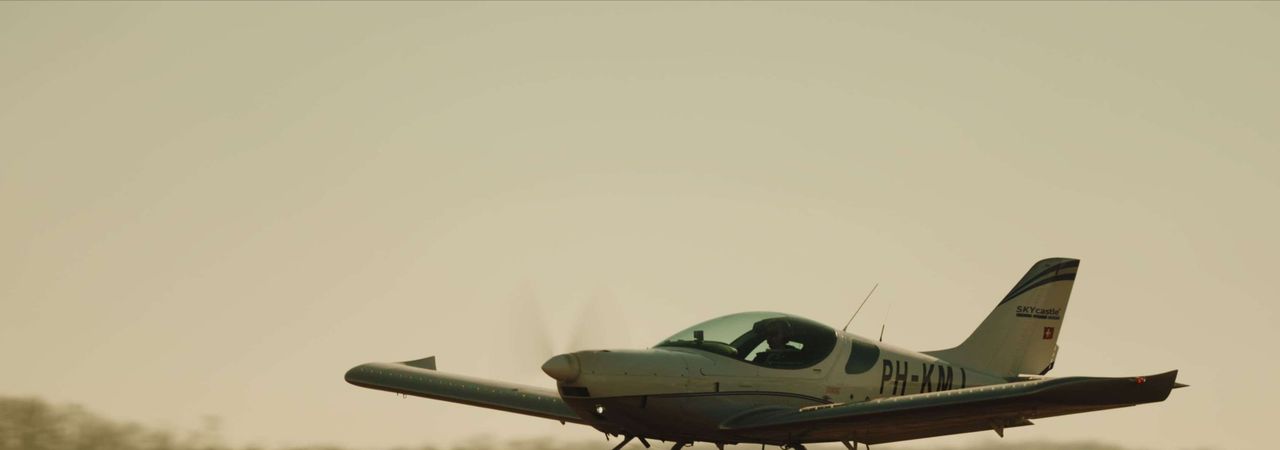
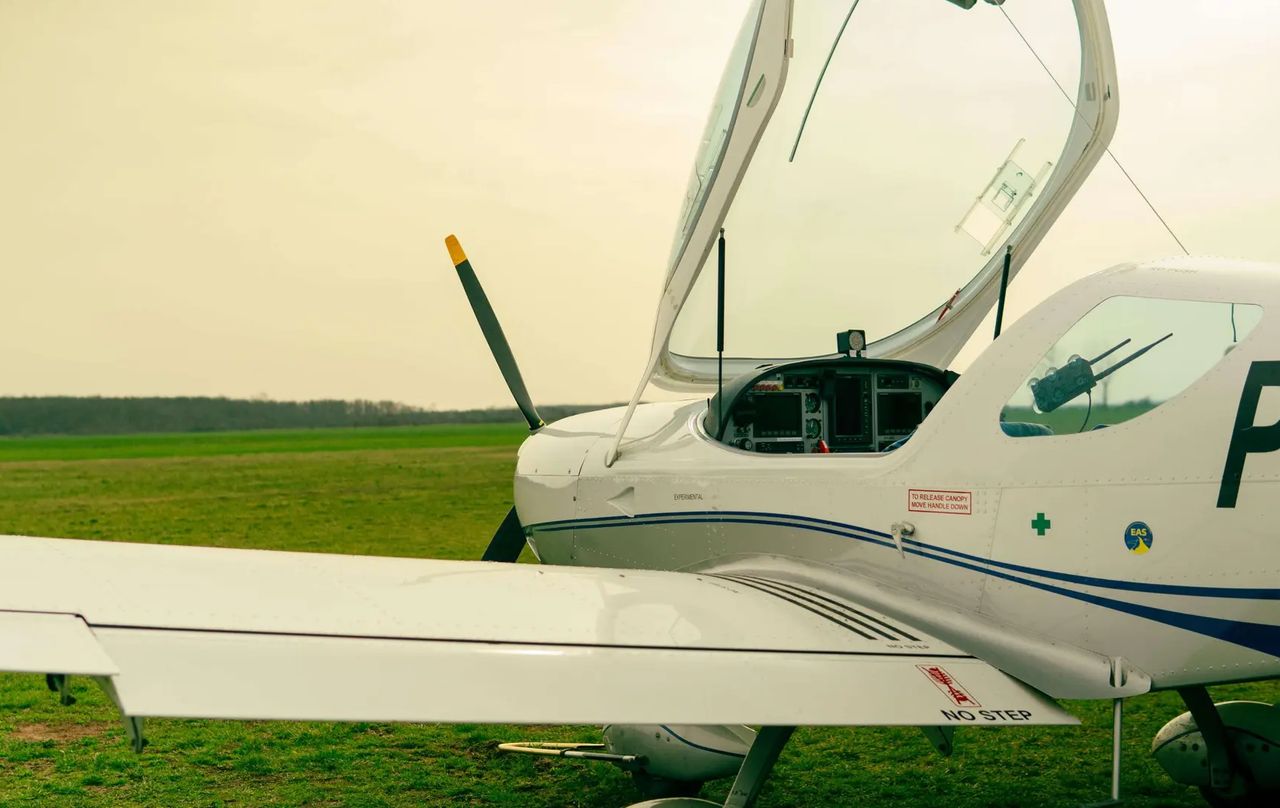
- Modern aircraft: new-generation aeroplanes such as the modern Bristell, valued for its 360° visibility and ergonomic cockpit, support faster learning and reduce fatigue at the controls.
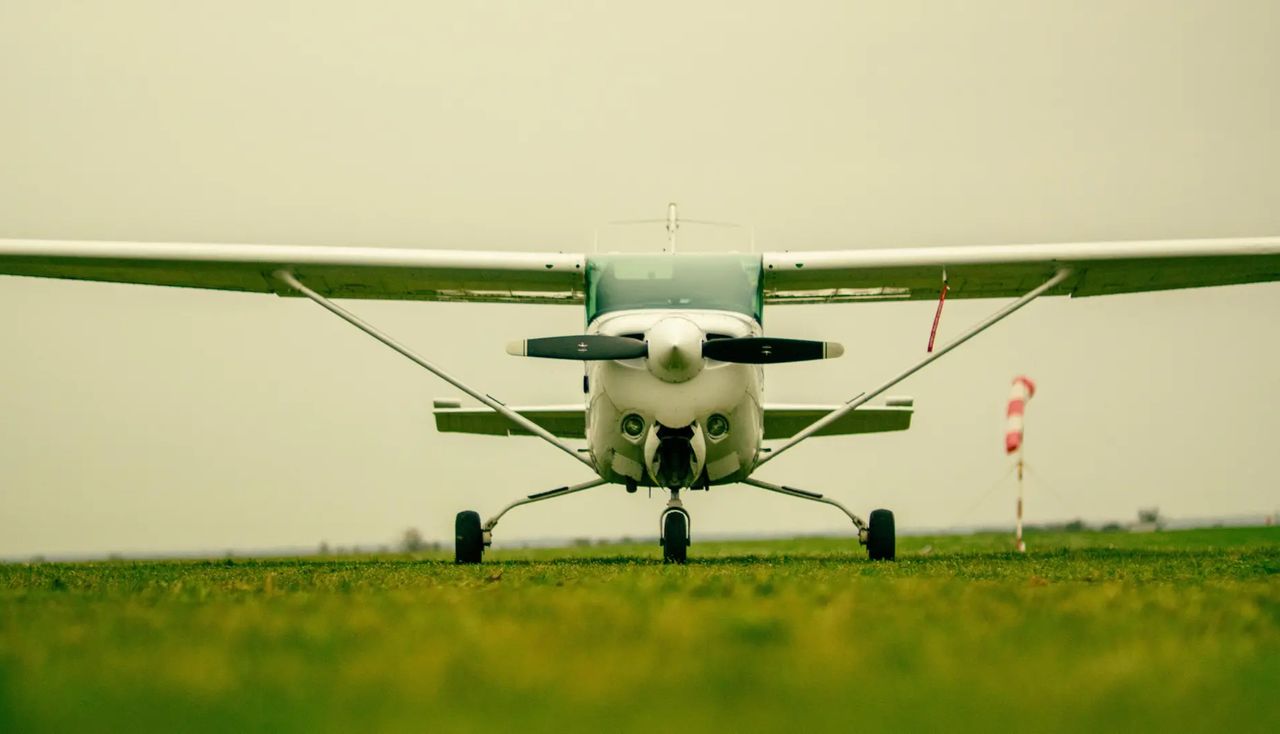
- Diversity for later stages: it is a major advantage if the organisation offers a smooth progression to more complex or four-seat aircraft such as the classic Cessna 172RG.
4. Instructor-to-student ratio and team profile
The relationship between a student and flight instructor is at the heart of the entire training process. An excellent instructor is not only an experienced pilot but also a calm, rigorous teacher.
Essential questions to clarify:
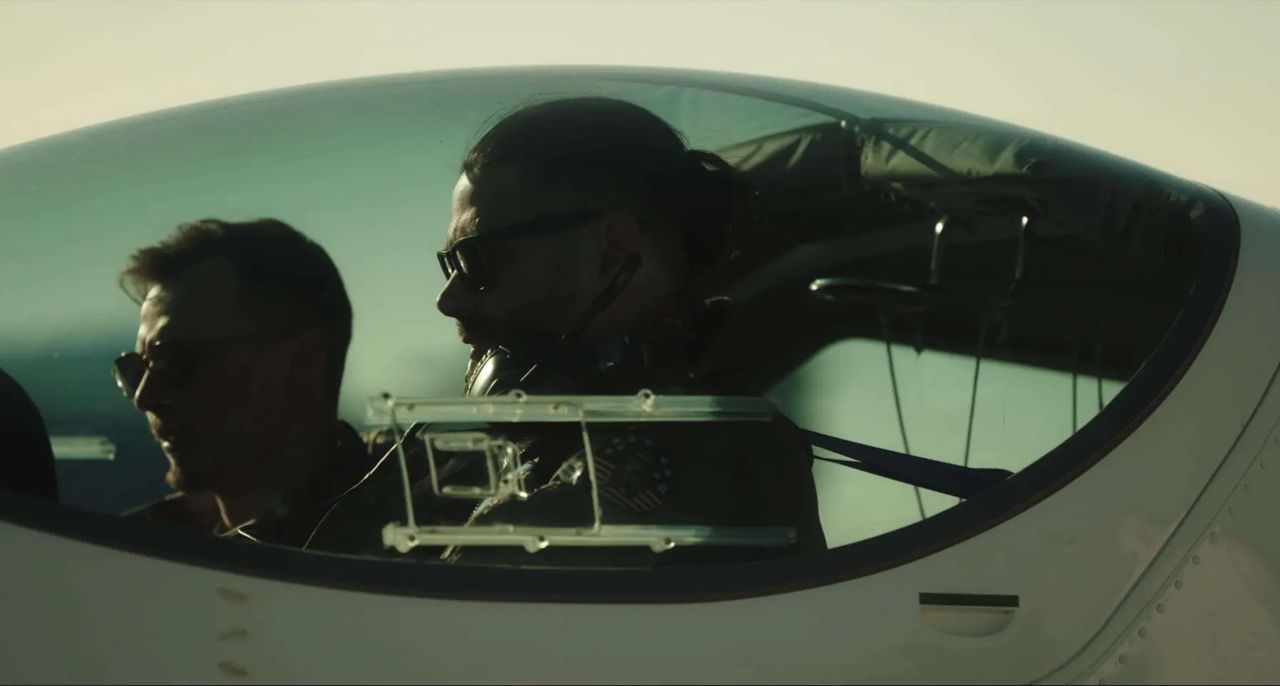
- Continuity: will you fly consistently with the same instructor or change pilots from one lesson to the next? Keeping the same instructor until your first solo flight is essential for steady progress.
- Time allocated to briefings: a one-hour flight should be preceded and followed by thorough ground analysis. Avoid organisations where instructors move directly from one flight to another without explaining your mistakes.
5. Financial transparency: watch for undisclosed costs
In aviation, an excessively cheap flight usually hides compromises or costs deliberately omitted from the initial presentation.
Request a written breakdown of every element:
- Does the hourly rate include fuel (wet) or is it calculated without fuel (dry)?
- Is time measured from engine start (Hobbs time) or only from lift-off (airborne time)?
- Are airfield and landing fees at the home base included?
- Is the instructor's fee included in the advertised rate or invoiced separately for each session?
6. Base location and airspace accessibility
The airfield from which you depart directly affects the time you actually spend flying:
- Distance from home: a base that is difficult to reach makes it harder to maintain a consistent lesson frequency.
- Time lost on the ground: at busy commercial airports, considerable time is spent at holding points giving priority to airliners, while the engine clock continues to be billed. At an airfield dedicated to general aviation, you can take off quickly and begin practical exercises only minutes after engine start.
7. What happens after you obtain the licence
Many students make the mistake of looking no further than the final examination with the authority. Obtaining a PPL, however, is only the first milestone.
Ask the organisation:
- After graduating, can I rent aircraft from the fleet for personal leisure flights?
- Do you offer flexible options for building the hours needed to progress towards a commercial licence?
A reliable partner such as RAM Aviation provides precisely this essential continuity: easy access to well-maintained aircraft—the PS-28 Cruiser, Cessna 172RG and Bristell B23—for independent rental and hour-building packages, with excellent technical standards and no administrative bottlenecks.
Frequently asked questions
1. What happens if the school has major delays and I do not complete the course on time?
Under aviation regulations, theory and practical training have validity deadlines before the AACR examinations are taken. If gaps are too long, some stages may expire. This is why choosing a company with a stable fleet and dedicated instructors is essential.
2. Can I take a flying lesson before signing the training contract?
Yes, and it is the most sensible first step. An initial dual-control flying hour gives you the opportunity to meet the team, inspect the aircraft on the ground and assess the atmosphere within the organisation before making a major investment.
Take the first step safely
The organisation where you learn to fly shapes your reflexes for the rest of your life as a pilot. Value the company's track record, actual aircraft availability and transparency at every stage of the contract.
The RAM Aviation team provides a high-performance fleet, complete transparency and the technical support you need for a smooth, professional and delay-free journey into the sky.
Would you like to discover the fleet and try the controls? Book an introductory flight or contact RAM Aviation for details.
- Phone: +40 724 913 947
- Email: [email protected]
- Booking request through the contact form
Similar articles
Back to the flight journal