Your first hour flying with an instructor: what you need to know
The dream of flying an aircraft often seems reserved for films or for people with thousands of hours at high altitude. In reality, every airline captain and private pilot begins at exactly the same point: the first hour flying with an instructor.
Whether you want to start a career in aviation or experience the complete freedom of flight, this first time at the controls is unforgettable. At RAM Aviation, we believe aviation should be experienced with enthusiasm, but above all with the highest standards of safety, professionalism and clarity.
Here is how your first dual-control flying hour unfolds, step by step, and what you will actually experience.
1. First contact: the pre-flight briefing
The adventure does not begin with the engines running, but in the flight-planning office. Before entering the cockpit, you will spend 20–30 minutes with your instructor for a thorough briefing.
What you learn during the briefing
- The basic principles of aerodynamics: how wings generate lift and how air acts on the control surfaces.
- Getting to know the flight instruments: you will be introduced to the essential navigation instruments, altimeter, airspeed indicator, vertical speed indicator and attitude indicator.
- Safety and communication procedures: the role of active-noise-cancelling aviation headsets and how you will communicate directly with the instructor.
This is the time to ask any question and turn every trace of nervousness into confidence and curiosity.
2. Aircraft technical inspection: the walkaround check
A professional pilot never takes off without knowing and personally checking the aircraft. Together with the instructor, you will inspect the aircraft.
You will physically inspect:
- The flight controls: ailerons, elevator and rudder, to make sure they move freely and have no mechanical play.
- The fuselage and wings, to identify any surface irregularity.
- The landing gear and tyres: checking pressure and the condition of the shock absorbers.
- Fuel and oil levels: a mandatory quality and quantity check before every flight.
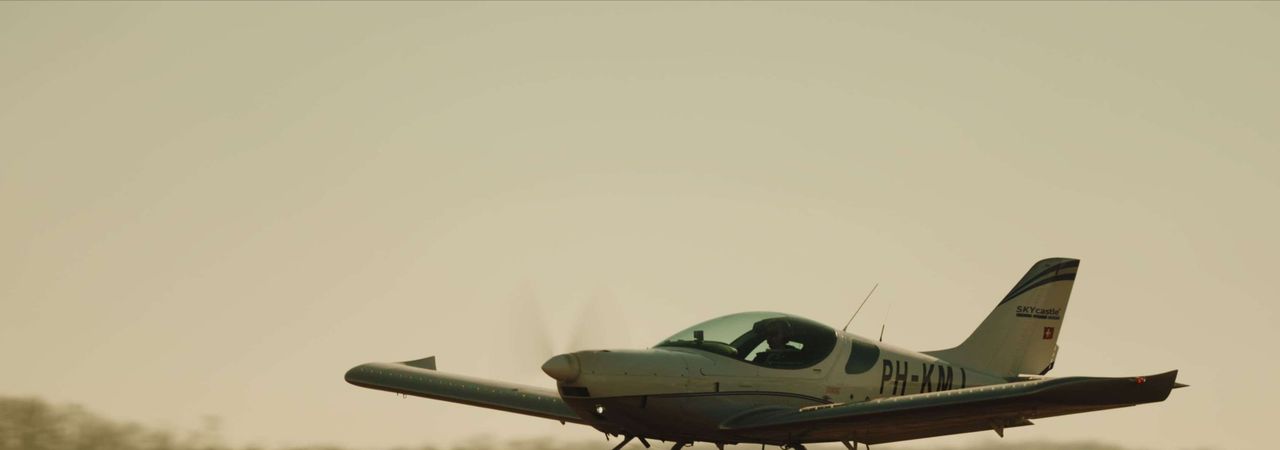
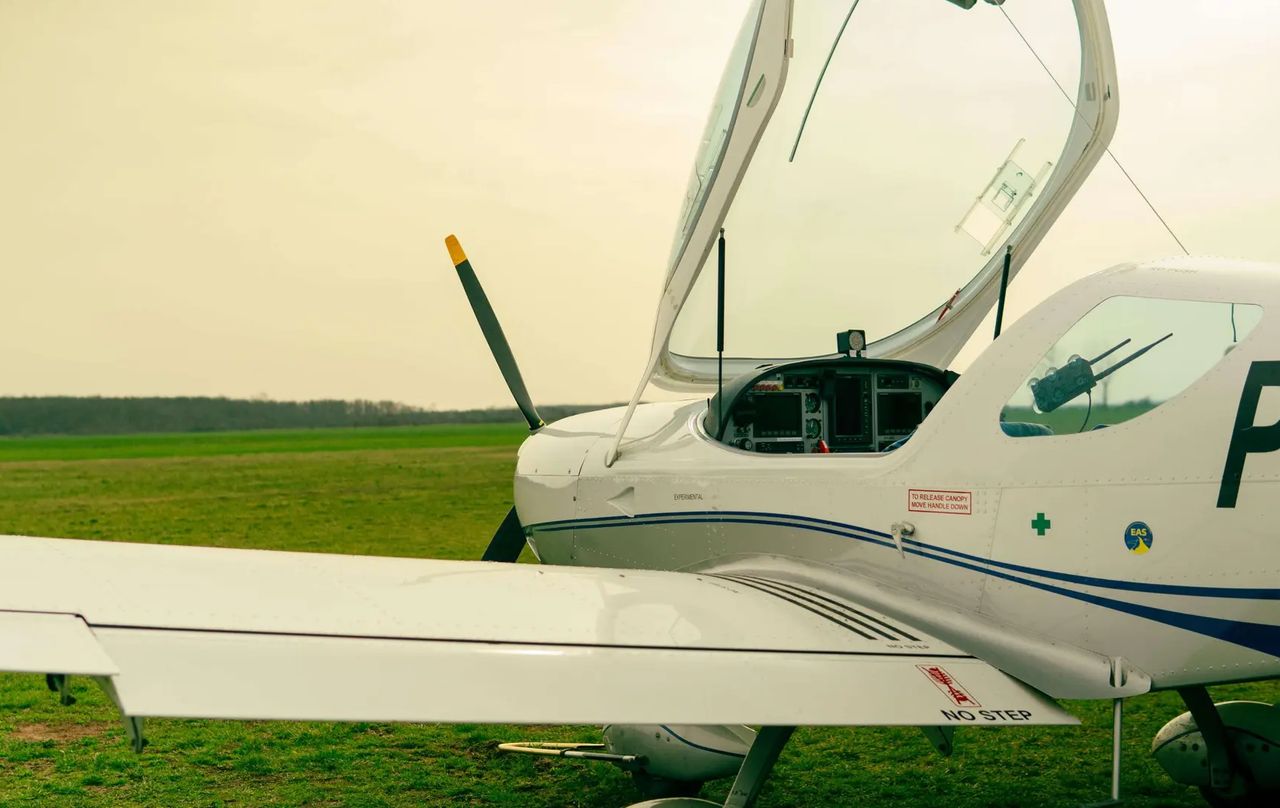
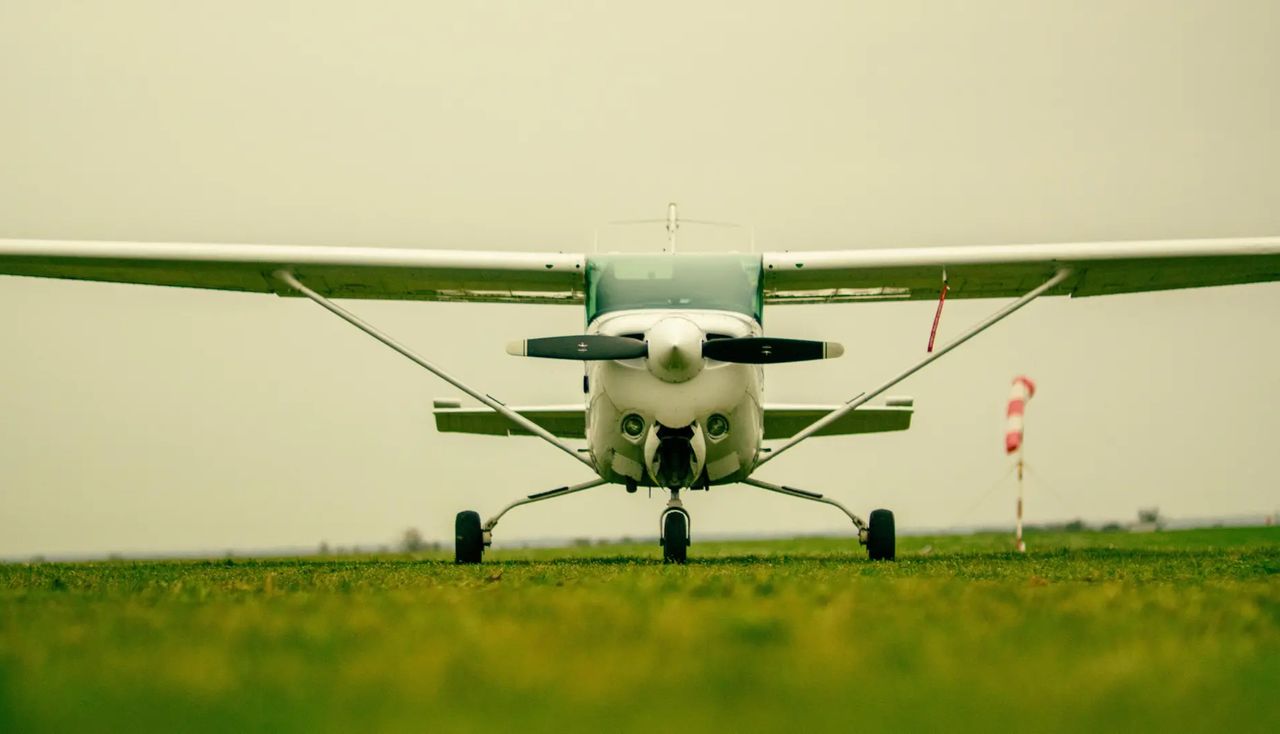
Modern aircraft in the RAM Aviation fleet, such as the Bristell B23 (ideal for training and first flights thanks to its 360° panoramic visibility), the agile PS-28 Cruiser and the versatile Cessna 172RG, are maintained to the most demanding technical standards and offer an excellent environment for beginners.
3. Getting into the cockpit and starting the engine
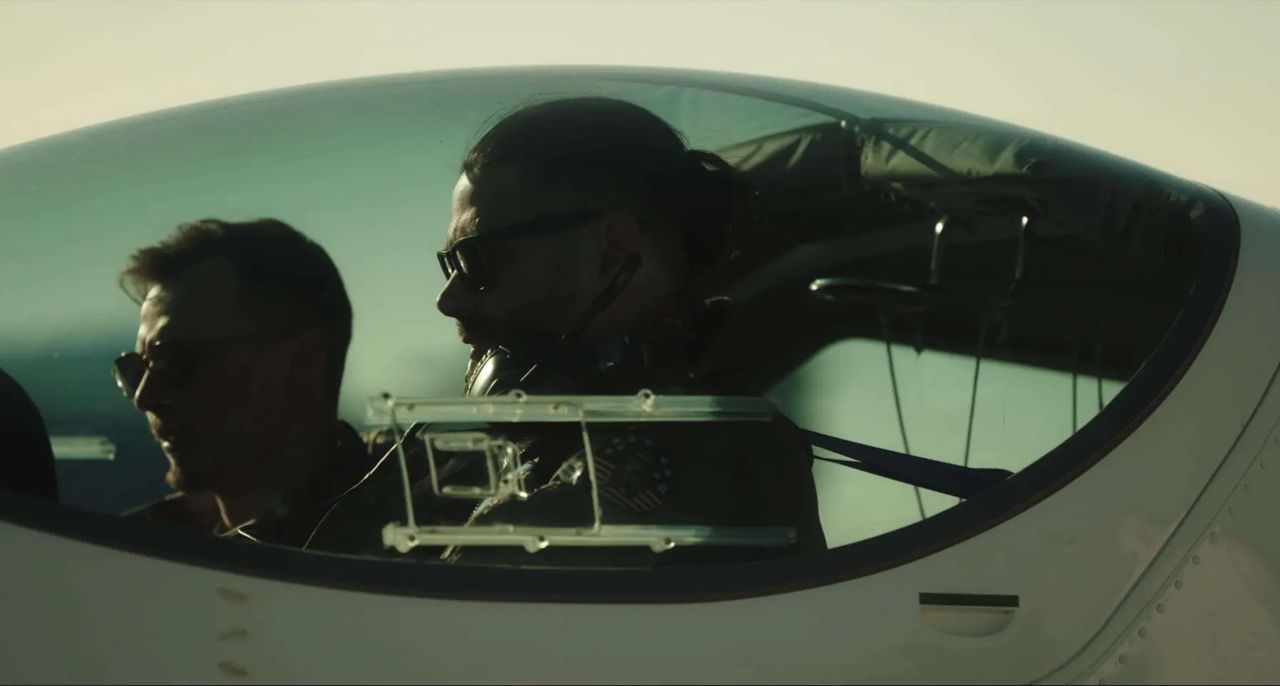
Everything becomes real when you sit in the left-hand seat, the pilot-in-command's position.
The instructor sits to your right with access to the aircraft's duplicate controls. You fasten the four-point harnesses, connect the headsets and begin working through the checklist.
Next, the area in front of the aircraft is checked to ensure that the propeller can rotate freely. The ignition is engaged and the engine comes to life. You will feel the aircraft's slight vibration and hear the first radio calls to air traffic controllers through your headset.
4. Taxi and take-off
Before flight, the aircraft must be taxied to the runway threshold. Here comes your first pleasant surprise: on the ground, the aircraft is not steered with the control column but with your feet, by pressing the rudder pedals.
Once lined up on the runway and cleared for take-off:
- The instructor advances the throttle to full power;
- The acceleration presses you gently into your seat;
- At lift-off speed, a smooth pull on the control column raises the aircraft from the ground;
- Within seconds, buildings and cars become tiny and the horizon opens up spectacularly.
5. Dual-control flight: you take the controls
Contrary to the myth that you only watch the scenery on your first flight, during a flying lesson you will actually fly the aircraft. All training aircraft have full mechanical dual controls, so the instructor maintains flight safety at all times and can correct or take over in a fraction of a second.
Once the aircraft is stable at cruising altitude, the instructor transfers control using a clear verbal protocol so both pilots know with certainty who is flying. From that moment, the controls are in your hands.
Practical exercises you will try in the air
- Straight and level flight: maintaining altitude and heading using visual references on the ground and the flight instruments.
- Gentle turns: discovering how a light control-column input, coordinated with the rudder pedals, banks the aircraft smoothly to the left or right.
- Climbs and descents: adjusting the aircraft's attitude and engine power to gain or lose altitude in a controlled way.
Feeling the aircraft respond directly to the air currents and guiding it with a simple movement of your wrist is a unique experience that few other forms of transport can match.
6. Returning to the ground and landing
After approximately 40–50 minutes in the air, it is time to return to the airfield. You will experience joining the traffic pattern, reducing speed and setting the flaps for descent.
The instructor performs the landing or guides it closely, but you may keep your hands lightly on the controls to feel the control forces just before the wheels touch the runway. Touching down always brings a broad smile.
7. Debriefing: reviewing your first flight
Once the engine is stopped, you return to the briefing room for the conclusions:
- The instructor assesses your reactions, coordination and adaptability;
- You discuss any moments when you felt hesitant.
Frequently asked questions
1. Do I need previous knowledge or special training?
No. The introductory flight is designed specifically for complete beginners. The instructor will explain every detail in accessible terms and guide you step by step.
2. Is it dangerous if I make a mistake in the air?
No. All RAM Aviation training aircraft have full mechanical dual controls. The instructor remains alert at all times and can correct any manoeuvre immediately.
3. What equipment or clothing should I wear?
We recommend comfortable clothing (loose trousers, a T-shirt or hoodie without bulky accessories), comfortable flat-soled shoes so you can feel the rudder pedals correctly, and a good pair of sunglasses.
Are you ready to take control?
The sky is no longer the limit, but your next playground. Whether you want to test your aptitude as a pilot, give someone special a spectacular gift or begin building flying hours on modern aircraft, the RAM Aviation team is waiting for you on the runway.
Book your first hour flying with an instructor or contact the RAM Aviation team for details.
- Phone: +40 724 913 947
- Email: [email protected]
- Booking request through the contact form
Similar articles
Back to the flight journal